
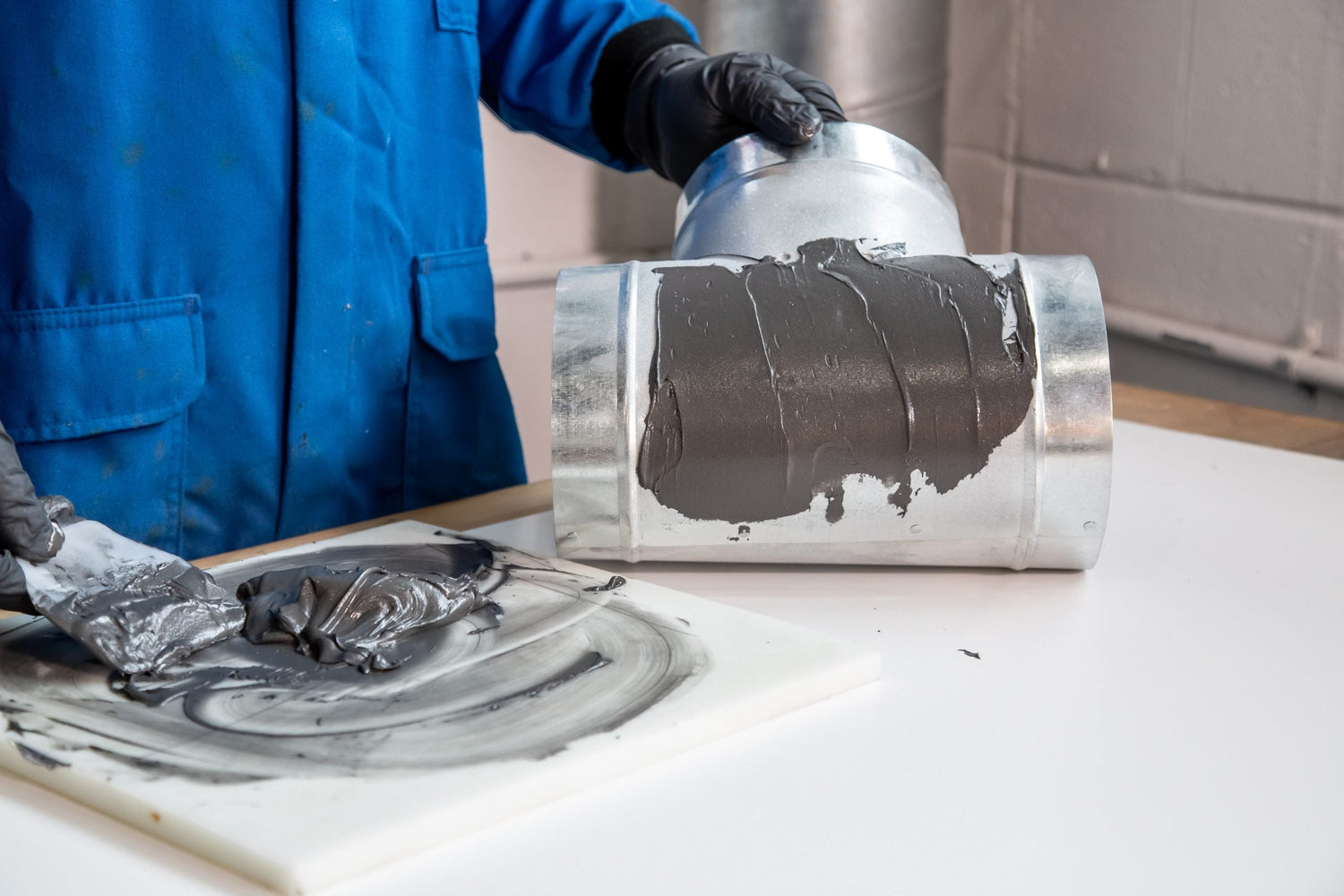
In industrial maintenance and repair, selecting the right epoxy compound can dramatically affect the performance and longevity of your fixes. Devcon HR-300 and Devcon 10110 Plastic Steel A Metal Repair Putty are two highly regarded products from ITW Devcon, each designed for specific applications. Understanding the differences between them helps maintenance professionals, engineers, and DIYers make informed decisions for their projects.
In this post, we’ll compare Devcon HR-300 vs Devcon Plastic Steel A, exploring their features, ideal uses, and how to choose the right product for your repair needs.
What Is Devcon HR-300?
Devcon HR-300 is an industrial-grade epoxy putty formulated for use in high-temperature environments and difficult-to-repair locations. According to the product specifications, it’s suitable for hotspots such as heated pipes, valves, engine blocks, and crankcases where heat resistance and strong adhesion are essential.
Key Features of Devcon HR-300
- High temperature resistance — Recommended up to 150 °C, maximum around 250 °C.
- No-sag formulation — Won’t run on vertical or overhead surfaces.
- Strong adhesion to metals — Ensures secure, long-lasting repairs.
- Waterproof and oil resistant — Reliable in harsh conditions.
- Curing time — Around 16 hours at ~25 °C.
- Color — Dark gray; weight — ~500 g.
This product is specifically made for heat-exposed applications where typical repair compounds would fail due to temperature degradation. Use cases include repairing or reinforcing heat-loaded pipe flanges, steam piping, tanks, or bolstering engine parts where elevated temperatures are routine.

What Is Devcon 10110 Plastic Steel A?
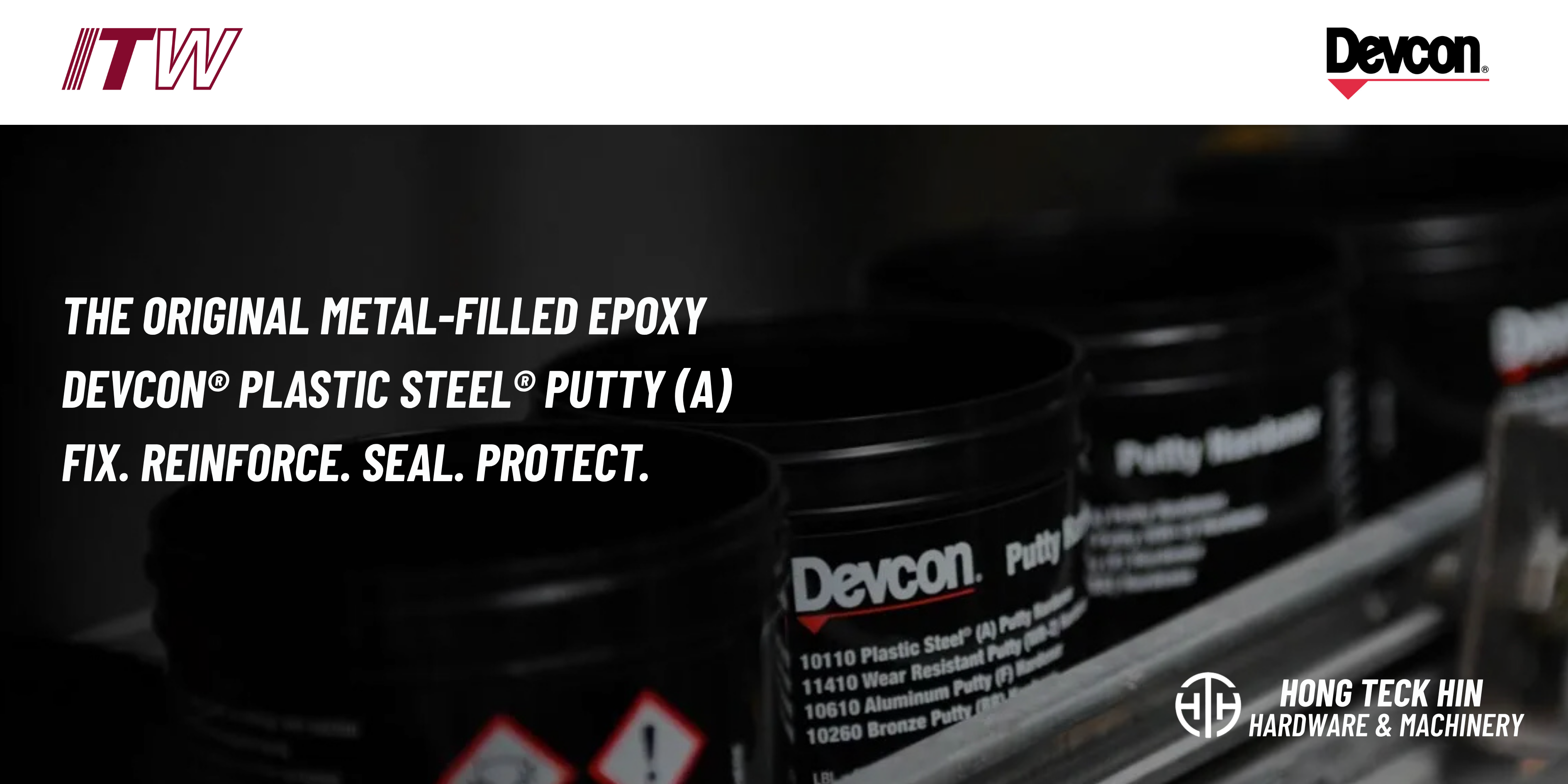
Devcon 10110 Plastic Steel A is a metal-filled epoxy putty widely used for general metal repair, rebuilding, and patching. It’s a popular choice for maintenance tasks where welding or brazing isn’t feasible.
Key Features of Devcon Plastic Steel A
- Bonds to most metals, concrete, and some plastics — Provides versatility.
- Cures at room temperature — Forms a durable metallic mass that can be drilled, tapped, machined, or painted.
- Excellent resistance to oil, gasoline, water, and many chemicals.
- Open time: ~45 minutes — gives enough working time.
- Typical curing: Thick sections harden in ~4 hours; fully cure in ~16 hours.
- Mix ratio: 2.5:1 resin to hardener.
Plastic Steel A’s strength and versatility make it ideal for fixing worn or fatigued metal parts, patching castings, rebuilding pump bodies or valve housings, and repairing metal components without heat or welding.

Devcon HR-300 vs Devcon Plastic Steel A: Side-by-Side
|
Feature |
Devcon HR-300 |
Devcon Plastic Steel A |
|
Best for |
High-temperature repairs |
General metal repair |
|
Temperature resistance |
Up to ~150 °C (250 °C max) |
~120 °C wet / 250 °F dry typical range |
|
Machinability |
Limited |
Excellent (drill/tap/machine) |
|
Chemical resistance |
Good |
Excellent (oil, gasoline, water) |
|
Application complexity |
Advanced heat-related repairs |
General repairs and rebuilds |
|
Working time |
Standard |
~45 minutes open time |
Which Devcon Product Should You Choose?
Pick Devcon HR-300 if:
- You’re repairing equipment exposed to high heat.
- Thermal cycling and heat stress are key concerns.
- You need a compound that won’t sag on vertical surfaces.
Pick Devcon Plastic Steel A if:
- You need a general-purpose metal repair putty that bonds strongly and cures to a machinable finish.
- Welding isn’t possible or practical.
- You want excellent chemical and oil resistance.
FAQs
1. Can Devcon HR-300 withstand extreme heat?
Yes, it’s formulated for heat-exposed environments, with recommended resistance up to ~150 °C and max around 250 °C.
2. Is Plastic Steel A machinable after curing?
Yes once fully cured, it can be drilled, tapped, machined, or painted.
3. Can either product replace welding?
Plastic Steel A is often used where welding isn’t possible; HR-300 focuses on heat environments rather than welding replacement.
4. Which epoxy cures faster?
Both typically reach a workable cure in ~4 hours and full cure in about 16 hours under normal conditions.
5. Are these products suitable for automotive repairs?
Yes, Plastic Steel A’s machinability and HR-300’s heat resistance make them both useful for automotive and industrial tasks.

Leave a comment
All comments are moderated before being published.
Situs ini dilindungi oleh reCAPTCHA dan berlaku Kebijakan Privasi dan Persyaratan Layanan Google.